What Happens If You Forget About Your Regular Oil Change?
You miss one oil change, then another, and the car still starts every morning. No warning lights, no strange noises, so it feels like you got away with it. What you do not see is the slow wear happening inside the engine every mile you drive on old, broken down oil.
By the time big symptoms show up, a lot of damage has already been done.
Why Skipping Oil Changes Seems Harmless at First
When an oil change is overdue by a few hundred or even a couple thousand miles, the engine rarely fails overnight. It still runs, the idle feels normal, and you may not hear anything unusual. That false sense of security is exactly why many drivers keep pushing the interval further.
Inside the engine, though, the oil is getting thinner in some ways and thicker in others. Additives that control acids, sludge, and wear are being used up. The filter is slowly loading with debris. The engine is still moving, but it is losing the extra cushion that fresh oil provides. You only notice the problem once that safety margin is gone.
What Engine Oil Really Does Between Services
Oil is not just there to make things slippery. It has several important jobs all working at the same time. It forms a film between fast moving metal parts like bearings, cam lobes, and piston rings. It carries heat away from hot spots and helps seal the gap between the piston rings and cylinder walls.
It also holds tiny bits of soot, fuel, and metal in suspension so the filter can catch them. The detergents and additives fight corrosion and keep passages clean. As miles pile up, those additives are used up and the oil gets loaded with contaminants. That is when it stops protecting and starts letting wear sneak in.
What Actually Happens When You Go Too Long
When oil changes are forgotten or pushed way past schedule, several things begin to stack up. First, the oil thickens with sludge and varnish. That makes cold starts harder on the engine, because thick oil is slow to reach the top end. Parts can run dry for a few extra moments every time you start.
Next, deposits build up around rings, in small oil passages, and on top of the cylinder head. That can lead to stuck rings, noisy lifters, and restricted oil flow to critical areas. Over a long stretch, bearings and cam surfaces wear faster, timing components suffer, and in extreme cases, the engine can lose oil pressure or lock up. We have seen engines fail well before their time simply because the oil was never changed when it should have been.
Early Warning Signs You Have Pushed Oil Too Far
Your car will often whisper that the oil is overdue before it shouts. A few signs to watch for include:
- Engine noise that sounds a bit harsher on cold starts or at higher RPM than it used to
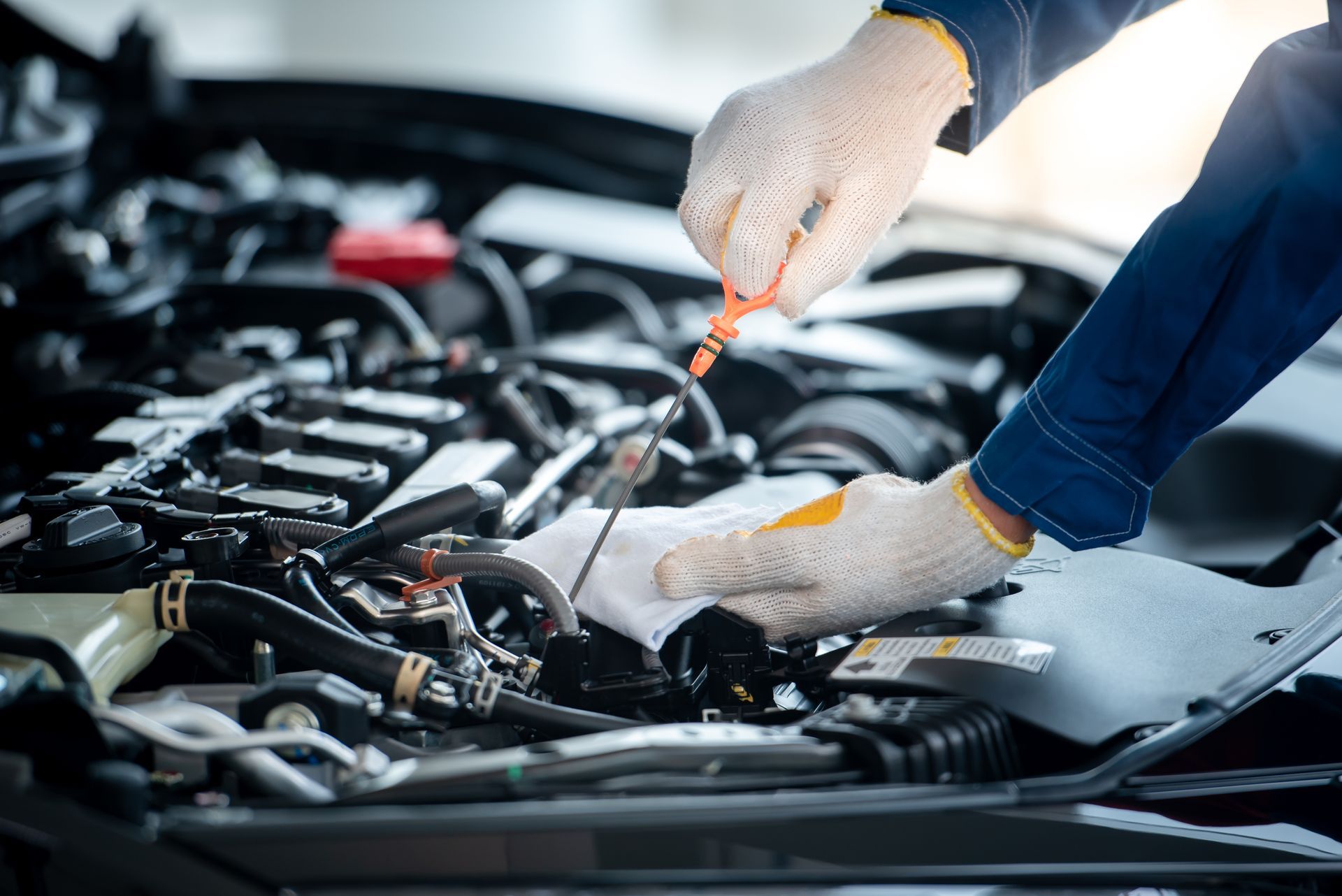
- Dark, very thick oil on the dipstick, sometimes with a burnt smell
- Sluggish acceleration or rough idle even though there are no obvious misfire issues
- Oil pressure or check engine lights that flicker on under hard braking or sharp turns
- Higher oil consumption between services compared to previous years
If you see more than one of these, and it has been a long time since the last service, your engine is asking for fresh oil and a proper look inside the fill cap and valve cover area.
Habits That Quietly Shorten Oil Life
Even if you follow the mileage on paper, certain driving patterns can wear oil out faster. Lots of short trips where the engine never fully warms up leave moisture and fuel in the oil. Constant stop and go traffic or extended idling keeps heat high and adds more contamination.
Towing, hard driving, or running the engine at high RPM for long stretches also stress the oil. Ignoring small issues like misfires or poor fuel quality lets extra fuel wash past the rings and dilute the oil. From what we see in the bay, cars that live in these conditions need the “severe service” interval in the manual, not the longest one printed on the page.
How We Tackle Neglected Oil Changes in the Shop
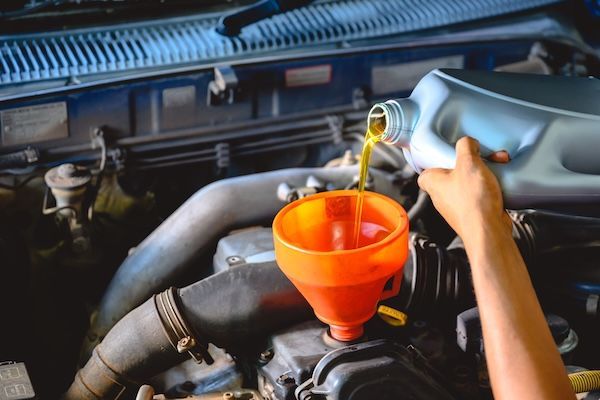
When a car comes in after long gaps between oil changes, we treat it a bit differently than a routine service. We start by checking the current oil level and condition, looking for sludge, metal flakes, or a strong burnt smell. We also peek under the oil cap for heavy deposits and inspect for leaks that may have developed as seals aged in dirty oil.
Then we drain the old oil, replace the filter with a quality part, and refill with the correct grade and specification for the engine. On some higher mileage engines with heavy buildup, it can make sense to shorten the next one or two intervals and recheck for improvement. The goal is to slowly clean things up and stop further damage, not to break loose huge chunks of sludge all at once. We will usually talk through a realistic schedule that fits how you actually drive, so this does not sneak up on you again.
Get Oil Change Service in Sparks and Reno, NV with Allen's Automotive
If you cannot remember your last oil change, or your engine has started sounding a little rough and the oil looks more like tar than liquid, this is a good time to reset. We can inspect your oil, replace the filter, and set an interval that keeps your engine protected rather than running on borrowed time.
Schedule oil change service in Sparks and Reno, NV with
Allen's Automotive, and we will help your engine get back on a healthy schedule again.