How Often Should You Change Engine Oil, Really?
Oil change advice is everywhere. Some drivers stick to 3,000 miles, while others wait until a warning pops up on the dashboard. The best interval depends on how you drive and what your engine is dealing with.
Wait too long and wear builds quietly. Change it too early and you spend money you did not need to. The goal is to choose an interval that fits your vehicle and your routine.
What Engine Oil Is Doing While You Drive
Engine oil lubricates, but it also carries heat away from internal parts and holds contaminants so the filter can trap them. It cushions high-load contact points like bearings and cam surfaces, especially when the engine is working hard. On many engines, it also supports variable valve timing systems that rely on clean, correctly pressurized oil.
As oil ages, it picks up soot, moisture, and fuel dilution. The additive package slowly depletes, reducing protection even if the oil still looks acceptable on the dipstick. That is why time and driving conditions matter, not only mileage.
Why One Mileage Rule Does Not Fit Everyone
Long, steady highway driving is usually easier on oil than lots of short trips and stop-and-go traffic. Cold starts and short warm-ups leave more moisture behind, and that moisture needs time at temperature to burn off. Add long idling, and you are putting hours on the oil without adding many miles.
That is why two people with the same vehicle can get different results. One driver can safely follow a longer schedule, and another will see oil darken faster and the level drop sooner. Matching the interval to your conditions is smarter than copying a generic number.
Driving Patterns That Shorten Oil Life
Short trips are rough because the engine may never get hot long enough to clean the oil up. Heavy traffic and extended idling add contamination and heat, then the car gets shut off again before things stabilize. Towing, steep grades, and high-speed driving in heat can also accelerate breakdown.
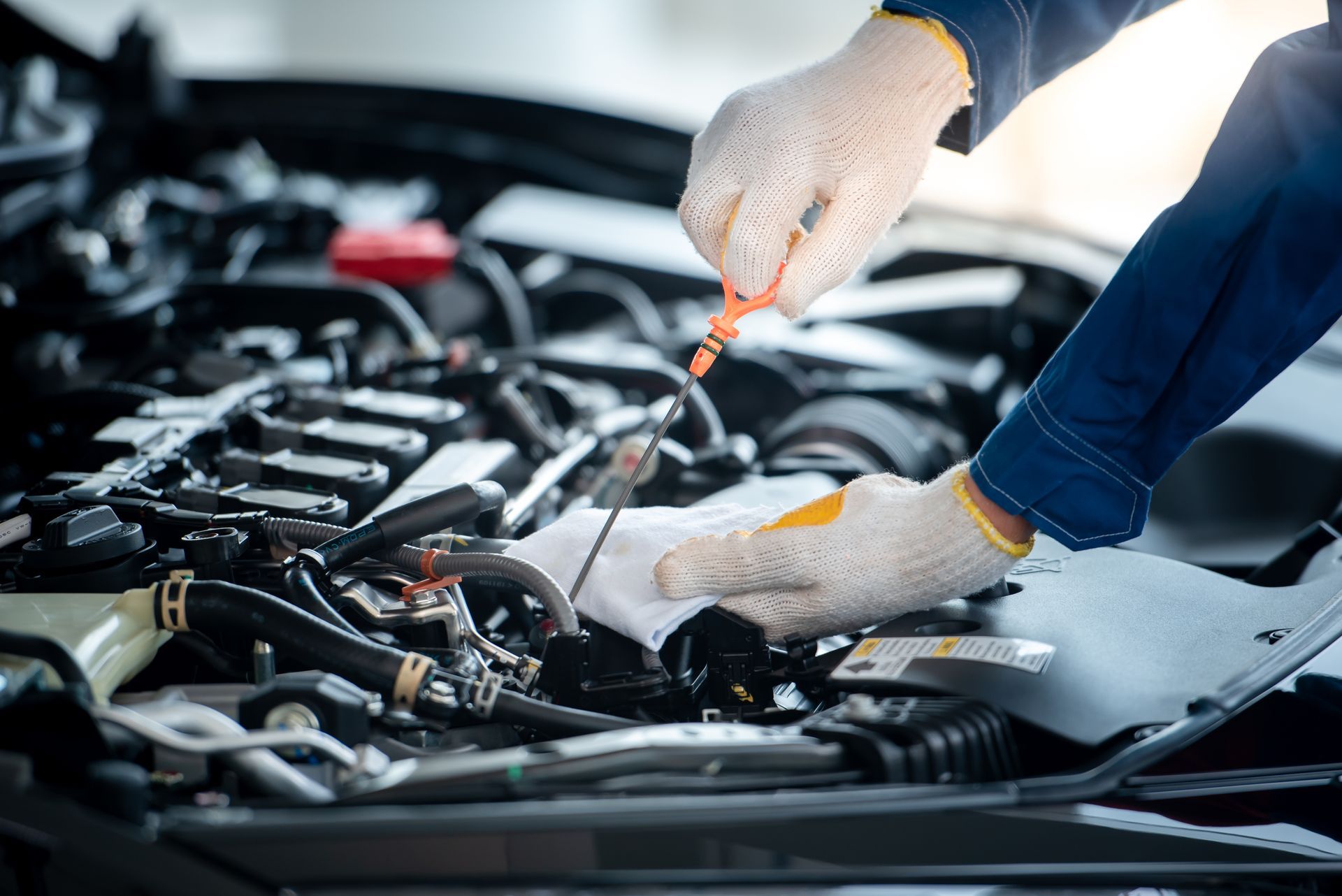
If any of that is your normal routine, shorter intervals are common. It is also a reason to check the oil level between changes, because higher heat and load can increase consumption. We see many low-oil problems that started with never checking the dipstick between services.
Oil Life Monitors And The Sticker On The Windshield
Oil life monitors estimate oil condition based on run time, temperature, trip length, and load. They can be accurate, but they assume your vehicle is in good condition and you are using the correct oil. If your monitor consistently reaches zero earlier than expected, your driving pattern is likely harder on oil.
The windshield sticker is still a useful reminder, but it should not override what the vehicle is reporting. The best approach is regular maintenance that combines the monitor, the manufacturer's schedule, and a quick check of the oil level. If your driving is mostly short trips, it is normal for the interval to land on the shorter side.
When You Should Change Oil Sooner Than Planned
If your routine changes, your interval may need to change with it. A month of short trips in cold weather, a new tow setup, or a commute full of idle time can shorten oil life quickly. Another reason is a new pattern of the oil level dropping faster than normal.
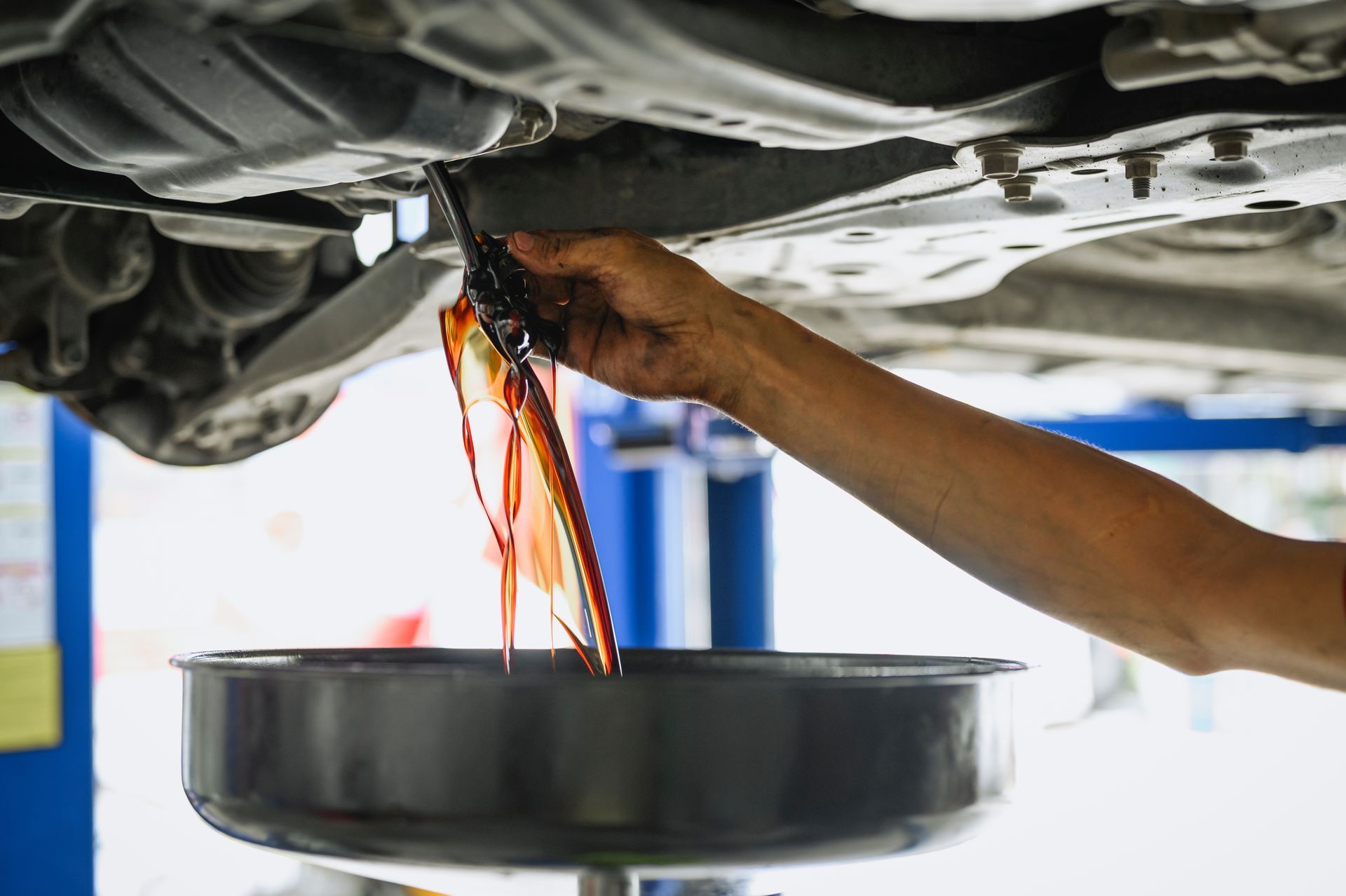
Watch for new drips, burning odors after parking, or oily residue building up around the engine. A quick inspection of the underside can catch seepage at the drain plug area or a filter housing before it turns into a low-oil warning. If the oil light comes on, treat it as a stop-and-check situation.
How Often Should Most Drivers Change Oil
For many vehicles, using the correct synthetic oil, a practical range is 5,000 to 7,500 miles. If you mostly do short trips, idle a lot, or drive in extreme heat, the lower end is the safer choice. If you do longer highway drives, the higher end can make sense as long as the oil level stays stable.
Consistency matters as much as the number. A sensible schedule helps prevent sludge buildup, timing wear, and leaks that appear later. It also makes it easier to notice changes early, like rising consumption or fresh seepage.
Get Engine Oil Service In Sparks, NV, and Reno, NV, With Allen's Automotive
If you are overdue for an oil change or you want an interval that matches your driving, the next step is to schedule service so it is handled correctly.
Schedule oil service with Allen's Automotive in Sparks, NV, or Reno, NV, and keep the engine protected. Book an appointment so you are not waiting for a warning light to make the decision for you.