Are Modern Cars' Driver Assistance Features Making People Less Attentive?
Modern vehicles do more work for us than they used to. They beep when you drift off the lane, warn you about a car in your blind spot, flash alerts when traffic stops ahead, and can even help with steering or braking in certain situations. For many drivers, those features feel reassuring. For some, they can create a different problem.
The more the car seems to help, the easier it becomes to pay a little less attention than you should.
Why Driver Assistance Features Exist
Most driver assistance systems were built to reduce risk, not to take over driving. Blind-spot monitoring, lane-departure alerts, adaptive cruise control, backup cameras, and forward-collision warnings are there to support the driver during moments when attention slips or a hazard appears suddenly. Used the right way, they can absolutely help prevent crashes and reduce stress behind the wheel.
That is the good side of technology. These systems are valuable when drivers treat them like a second set of eyes, not a substitute for their own.
Where Drivers Start Getting Too Comfortable
The problem usually begins slowly. A driver starts trusting the backup camera more than the mirrors. Then they rely on blind-spot monitoring rather than turning their head. Then the adaptive cruise control takes over so much of the speed control that the driver relaxes a little more than they should in traffic. None of that feels reckless in the moment.
That is why this conversation is worth having. The systems are helpful, but comfort can quietly turn into complacency if the driver begins assuming the car will catch everything first.
Lane Alerts And Blind Spot Warnings Can Change Habits
A good warning system can help a driver avoid a mistake. The trouble is that some drivers begin waiting for the warning instead of checking for themselves. That is backward. A blind spot alert should confirm what you are already doing, not replace a mirror check and a glance over your shoulder. Lane departure alerts should support attentive driving, not excuse drifting.
This is where habits change in ways drivers may not notice. The car starts doing more of the reminding, so the driver does less of the active scanning that safer driving has always required.
Adaptive Cruise And Braking Systems Can Create False Confidence
Adaptive cruise control is useful on long drives and in traffic. It reduces fatigue and can make the car feel calmer in stop-and-go conditions. Automatic emergency braking can be a real help when traffic changes suddenly. Still, neither system makes the vehicle self-aware in the human sense, and neither one should be treated like a promise.
Road conditions, weather, poor visibility, worn tires, dirty sensors, and odd traffic situations can all affect how those systems respond. A driver who assumes the car will always brake in time or always judge traffic correctly is putting too much trust in a system that was designed to assist, not guarantee.
Why Convenience Features Weaken Basic Skills
Some modern features are so convenient that they quietly replace basic skills. Parking sensors and cameras are a good example. They help a lot, especially in tighter spaces, but drivers who stop judging distance for themselves become less confident without them. The same thing happens when people get used to having alerts and relying on them all the time. This is how we lose our situational awareness.
That does not mean the technology is bad. It means the driver still has to stay sharp enough to function well without waiting for the car to tell them what is happening around them.
When The Technology Helps Most
Driver assistance features work best when the driver stays fully engaged and uses them as backup support. In that role, they are excellent. They help catch what a tired or distracted driver might miss for a second. They reduce workload during repetitive driving. They can add another layer of protection during bad weather, crowded parking lots, and highway travel.
A few examples of where they help most are:
- Giving an extra warning during a quick lane change
- Helping spot cross traffic while backing out
- Reducing fatigue on longer highway drives
- Adding reaction time in sudden braking situations
That is the sweet spot. The systems add support without becoming the driver’s main plan.
The Vehicle Still Needs To Be In Good Shape
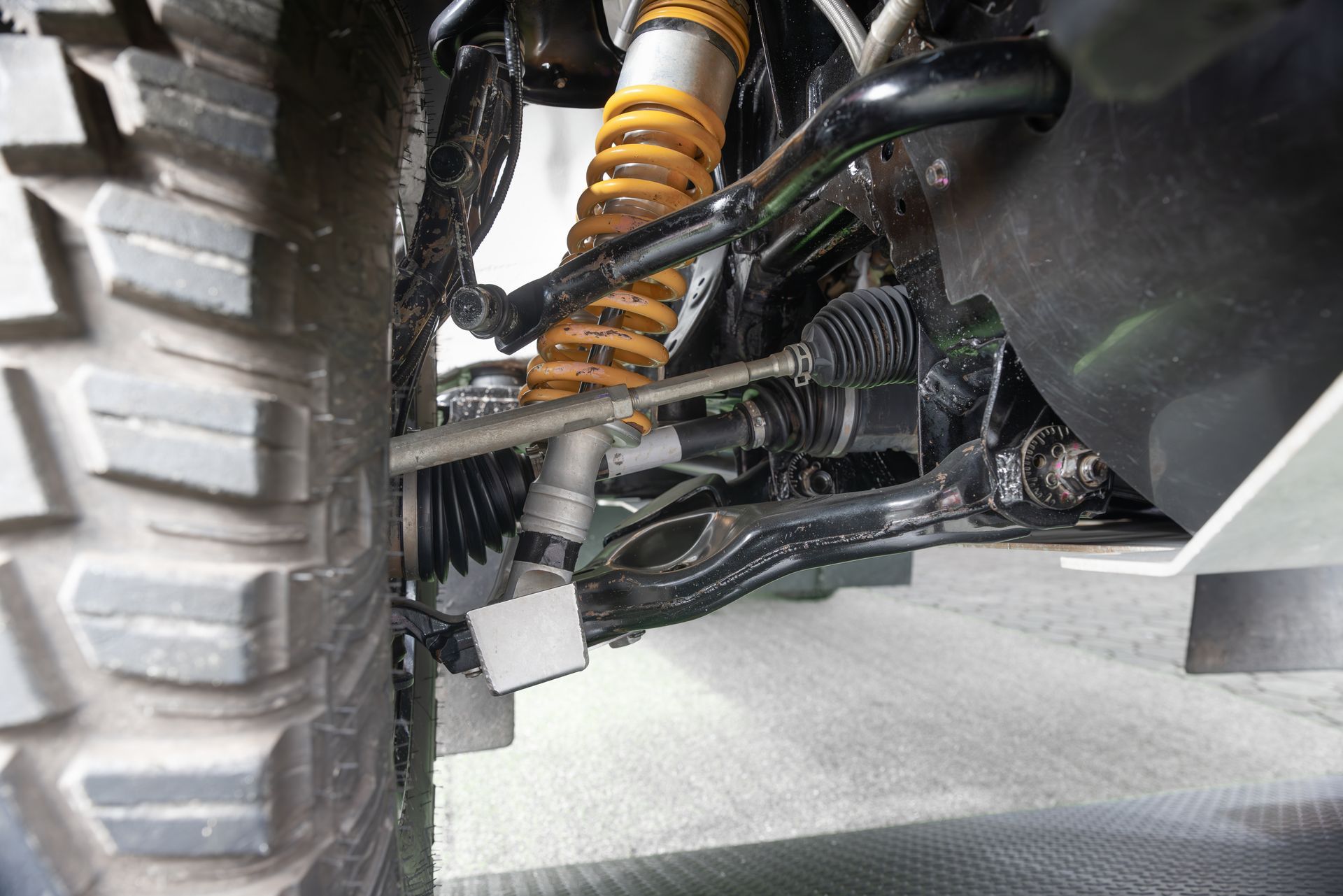
Driver assistance systems depend on the rest of the vehicle being in good condition. Tires, brakes, steering response, cameras, sensors, and alignment all play a role in how these features work. A car with worn tires or poor brake performance is not magically safer because it has a few warning chimes.
That is one reason regular maintenance still matters so much. A driver assistance feature is only as useful as the vehicle underneath it. A good inspection should include the practical systems the car still depends on every day, not just the technology layered on top.
So Are Drivers Becoming Less Attentive?
In recent years, yes. The features make drivers less attentive when they begin replacing habits that should still be second nature. That is not the fault of the technology itself. It is the result of drivers' misunderstanding of what these systems were designed to do.
The safest way to use modern assistance features is to treat them like a backup, not a second driver. They are there to help you drive better, not to let you mentally check out.
Get ADAS Service In Nevada, With Allen's Automotive
If your vehicle has modern driver assistance features and you want to make sure the sensors, tires, brakes, and related systems are all working the way they should, Allen's Automotive can help keep the car ready for the safety features you rely on. With service for drivers in Sparks, NV, and Reno, NV, Allen's Automotive can help you stay confident in both the technology and the vehicle behind it.
Bring it in before a helpful feature turns into one you trust more than you should.