When Does a Transmission Replacement Make More Sense Than a Transmission Rebuild?
Transmission decisions are rarely cheap or simple. One day, the vehicle shifts a little harder than usual. Later, it slips, shudders, delays into gear, or leaves you wondering whether the next drive will be the one that gets worse.
Then comes the big question.
Should the transmission be rebuilt, or does replacement make more sense? The answer depends on the damage, mileage, fluid condition, parts availability, warranty options, and how much confidence the repair can give you afterward.
Start With What Actually Failed
A transmission problem does not always mean the whole unit is finished. Low fluid, a bad solenoid, worn mounts, a sensor issue, valve body trouble, software concerns, or a cooler line leak can all create symptoms that feel serious.
That is why the first step should be a proper inspection. The shop needs to look at the fluid level and condition, scan for codes, road-test the vehicle, check for leaks, and compare the symptoms with transmission data.
A vehicle that delays into gear because it is low on fluid is a different situation from one with burnt fluid, metal debris, slipping clutches, and internal damage. The repair path should match the real failure, not just the worst-case fear.
When A Transmission Rebuild Makes Sense
A rebuild can make sense when the transmission case is still usable, the damage is mostly internal wear, and quality parts are available. During a rebuild, the transmission is taken apart, inspected, cleaned, and rebuilt with replacement parts for the worn or failed components.
This option can be a good fit when the transmission is known to be repairable and not damaged beyond repair. It may also make sense when the shop has strong experience with that specific transmission type.
A rebuild should not be treated as a quick patch. Done correctly, it is a detailed repair that requires careful inspection, clean work, the correct parts, and proper setup after installation.
When Replacement Becomes The Better Option
Transmission replacement may make more sense when the existing unit has severe internal damage, a cracked case, major metal contamination, repeated failures, or repair costs that are too close to replacement cost.
It can also be the better choice when parts are hard to get, the transmission design has known rebuild challenges, or a remanufactured unit comes with a stronger warranty than a local rebuild.
Replacement can reduce uncertainty in some cases. Instead of rebuilding a badly worn unit and hoping no hidden damage remains, the vehicle gets another transmission assembly that may offer a cleaner path forward.
Mileage And Vehicle Condition Matter
The transmission is only one part of the decision. The rest of the vehicle has to justify the investment. A clean vehicle with a strong engine, good suspension, solid brakes, and no major rust may be worth a transmission replacement or rebuild.
A vehicle with engine trouble, worn tires, electrical problems, leaks, and high repair needs may not be the best candidate for a major transmission investment.
Mileage matters, but it does not decide everything. A high-mileage vehicle with good regular maintenance may still be worth repairing. A lower-mileage vehicle that towed heavy loads, overheated the transmission, or had neglected fluid service may have more damage than expected.
Fluid Condition Tells A Lot
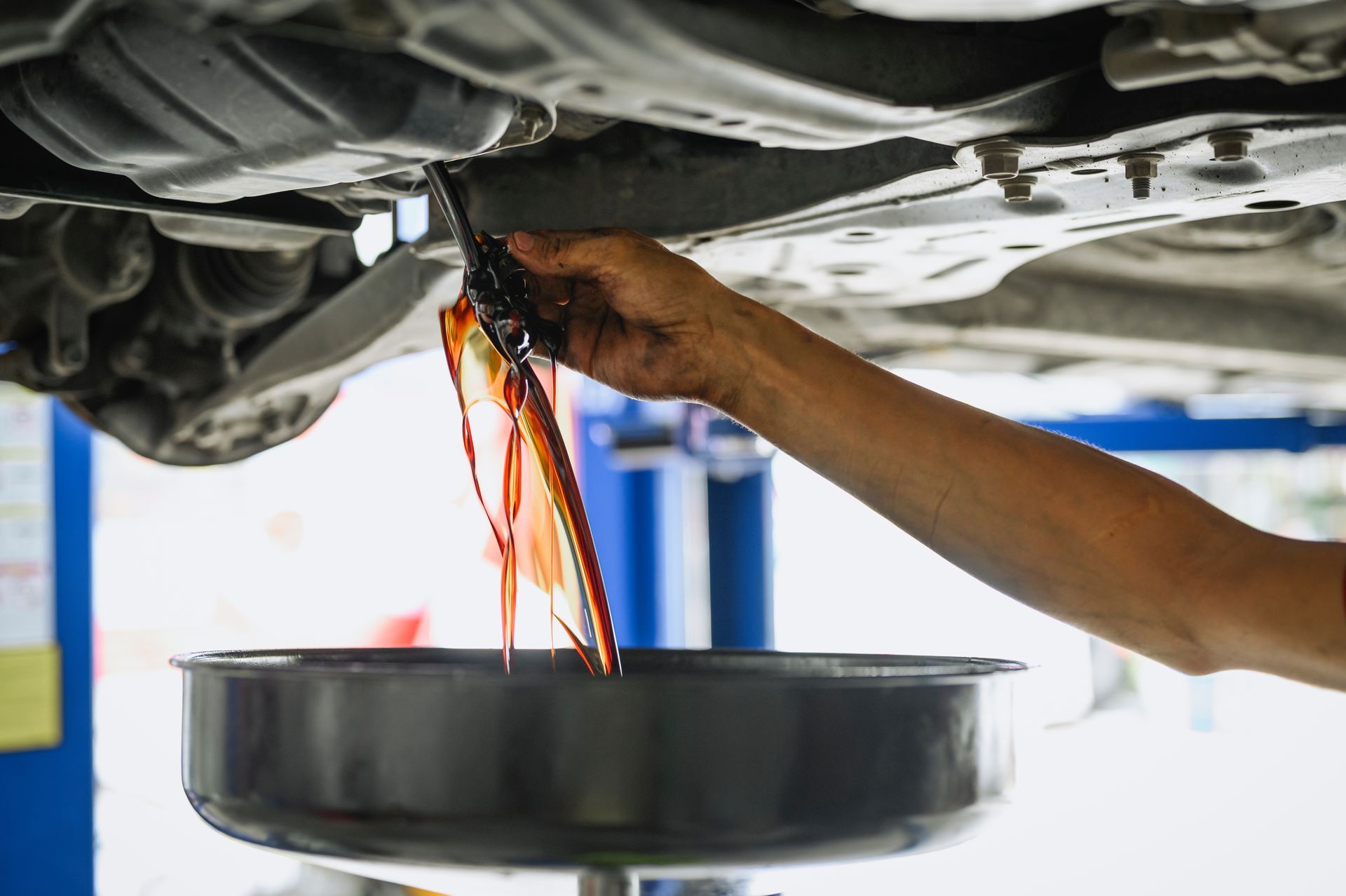
Transmission fluid can reveal how hard the unit has been working. Clean fluid at the proper level is a good sign. Dark fluid, burnt smell, metal debris, or heavy clutch material in the pan can point to internal wear.
Burnt fluid usually means heat has been part of the problem. Heat breaks down the fluid, damages seals, and accelerates clutch wear. If the transmission has been slipping badly, the fluid may already show signs that a simple service will not solve the issue.
Fluid condition does not tell the whole story, but it helps shape the conversation. It can show whether the transmission is dealing with a small control issue or a deeper internal failure.
Warranty And Parts Availability Can Decide The Repair
A rebuild and a replacement may come with different warranty coverage. A remanufactured transmission may offer a clearer warranty in some situations. A rebuild may depend more on the shop, the parts used, and the condition of the original transmission core.
Parts availability matters too. Some transmissions have strong rebuild support. Others may have parts delays, limited updates, or known issues that make replacement more practical.
Before approving either option, ask what is included. Does the estimate include the torque converter, cooler flushing or replacement, mounts, fluid, programming, relearn procedures, and related seals? A lower estimate may not be better if important steps are missing.
Do Not Ignore The Cause Of Failure
A replacement or rebuild can fail again if the original cause is still present. A clogged cooler, overheating, a low-fluid leak, a faulty control module, bad wiring, or incorrect fluid can damage the next transmission, too.
This is why the repair should include more than removing one unit and installing another. The cooling system, lines, mounts, sensors, wiring, software, and fluid requirements all need attention.
Get Transmission Replacement Guidance In Nevada, With Allen's Automotive
If your vehicle is slipping, shuddering, delaying into gear, leaking transmission fluid, or facing a major transmission decision, Allen's Automotive can help at our Sparks, NV, and Reno, NV, locations.