How the Summer Heat Secretly Drains Your Cranking Power
When most drivers think about a dead car battery, they picture a freezing morning in the dead of winter. Down at our auto repair shop, we know a secret that surprises a lot of our customers. Winter actually gets a lot of blame for a crime that was committed months earlier. While the freezing cold is what finally breaks a weak battery, it is the blistering summer heat that quietly does all the heavy structural damage.
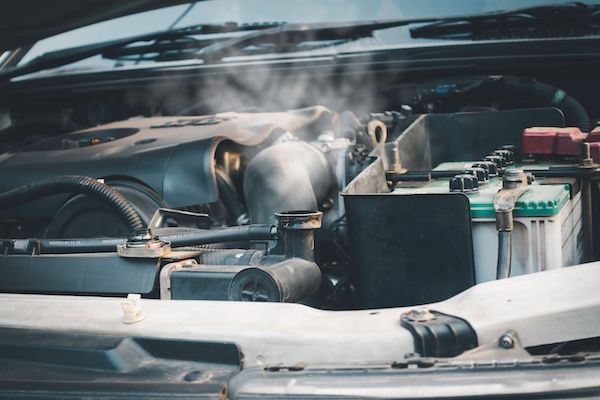
Under the baking summer sun, your engine bay transforms into a literal oven, reaching internal temperatures that can easily climb past one hundred and forty degrees. This extreme heat acts like a slow, invisible drain on your electrical system, silently destroying your battery's internal chemistry long before the first snowflake ever falls. Let us pull back the curtain on how the summer sun destroys your cranking power and how you can avoid getting stranded at the worst possible moment.
The Hidden Chemistry Battle Inside the Casing
To understand why summer is so brutal on your electrical system, you have to look at how a standard lead-acid car battery functions. Inside that heavy plastic black box sits a carefully balanced mixture of lead plates and a liquid electrolyte solution made of water and sulfuric acid. This mixture undergoes a continuous chemical reaction to store and release electricity.
When the temperature under your hood spikes into the triple digits, that internal chemical reaction doesn't just speed up, it goes into hyperdrive.
Evaporating the Liquid Core: Even though a car battery feels like a solidly sealed unit, extreme, prolonged heat causes the water inside the liquid electrolyte solution to slowly evaporate through the microscopic vents in the plastic casing. As the liquid level drops, the tops of the internal lead plates are exposed to open air.
Accelerating Internal Corrosion: Once those internal lead plates are exposed to the air and subjected to intense heat, they begin to corrode at an incredibly rapid rate. This structural corrosion permanently degrades the battery's internal grid, drastically reducing its capacity to hold a charge and ruining its long-term cranking power.
Catching the Warning Signs of a Heat-Stroked Battery
The most dangerous thing about heat-related battery damage is that it happens completely in silence. Your car might start up perfectly fine every day until the internal plates corrode past the point of no return, causing the system to fail instantly without any slow, sluggish warning cranks.
Fortunately, your vehicle will usually give you a few physical clues if you know what to look for. Pop your hood open once a month during the summer and take a close look at the battery casing itself. If the flat plastic sides of the battery look swollen, bloated, or bowed outward like a football, the internal plates have warped from extreme heat pressure, and the unit is on the verge of total failure. You should also check the metal terminal connections for a crusty layer of white or copper-colored corrosion, which thrives in high heat and acts like a structural roadblock for electrical current.
Let Our Team Protect Your Stopping and Starting Power
You should never have to guess whether your vehicle is strong enough to handle a long summer road trip or a brutal afternoon commute in heavy stop-and-go traffic. Whether you need a quick electrical system check or to restore proper cooling airflow to your engine bay, Allen's Automotive in Sparks and Reno, NV, is equipped to handle it all. We do not just look at the surface voltage.
We test the battery under a heavy simulated load, measure its exact remaining cold cranking amps, and check your alternator's charging output to make sure everything is working in perfect harmony.