5 Common Repairs That Start With Just a Small Noise
A faint squeak, hum, click, or rattle may not seem urgent when your car still drives normally. Many drivers turn up the radio, wait for the next oil change, or assume the sound is simply part of an aging vehicle. Unfortunately, a small noise is often the first warning that a moving part has developed wear, lost lubrication, or begun shifting farther than intended.
The sound may stay quiet for weeks before becoming obvious. During that time, the worn component can place extra strain on nearby parts. Paying attention to when the noise occurs, where it seems to come from, and whether it changes with speed can help catch these five common repairs before they become more involved.
1. Wheel Bearing Replacement May Begin With A Hum
A worn wheel bearing often starts with a low humming or growling sound that rises with road speed. At first, it may blend into tire noise and become noticeable only on the highway. The tone may change during a long curve because vehicle weight shifts from one side to the other.
As the bearing wears, it can develop looseness and allow unwanted wheel movement. That movement may affect steering stability, tire wear, and nearby brake components. Tires with uneven tread can create a similar hum, so technicians compare tire condition, bearing noise, and wheel play before recommending a repair.
2. Brake Repair May Begin With A Light Squeak
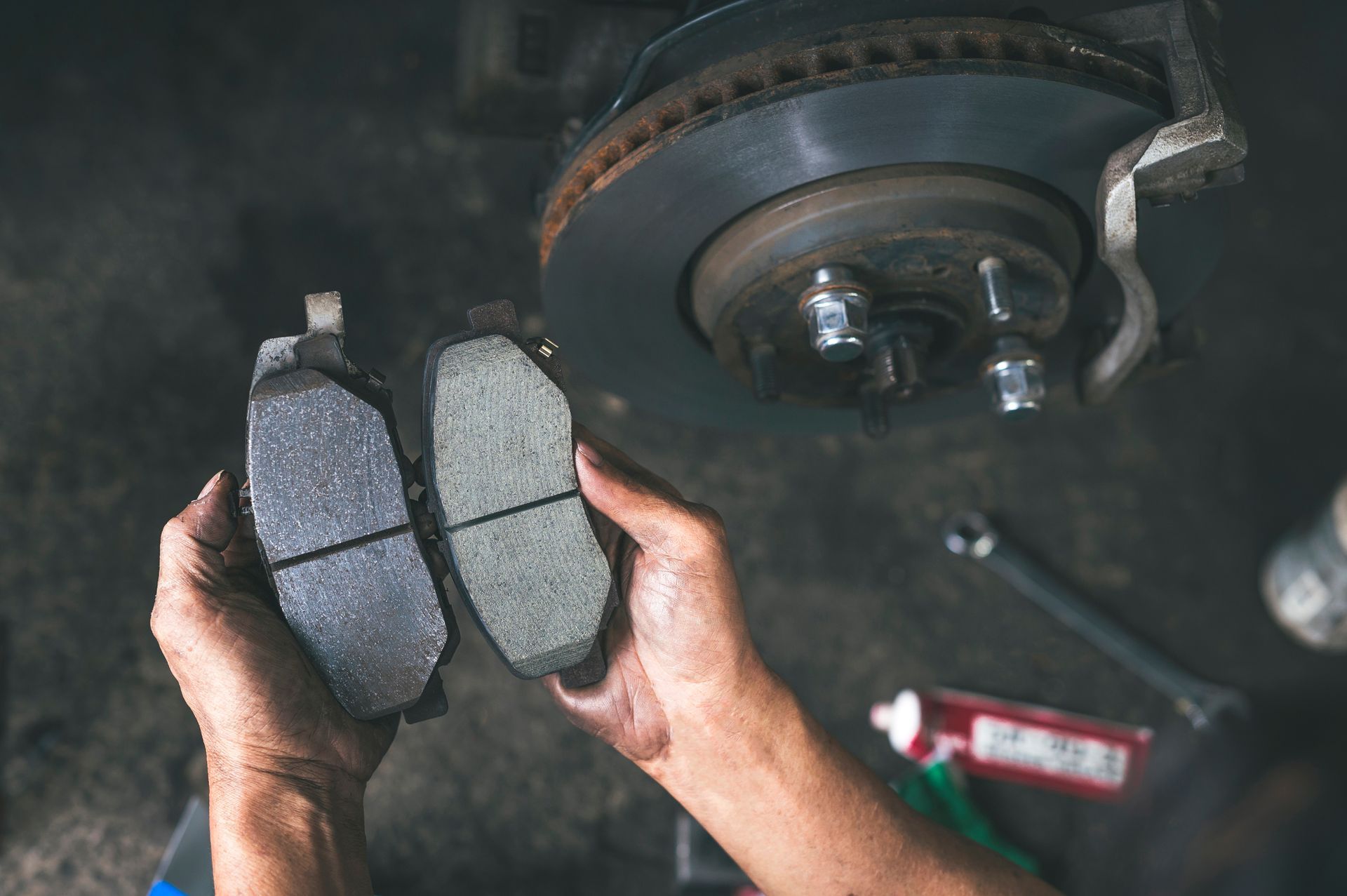
A brief brake squeak can come from moisture, dust, or the friction material used in the pads. A squeak that returns consistently, however, may indicate thin pads, glazed surfaces, dry hardware, or a caliper that is not releasing correctly. Some pads include a wear indicator designed to create noise before the friction material is gone.
Waiting until the sound becomes grinding can increase the repair. Metal-to-metal contact can damage the rotors and create excess heat around the calipers and wheel bearings. An inspection can measure pad thickness, compare wear from side to side, and check whether the caliper slides and pistons move correctly.
3. Belt And Pulley Repair May Begin With A Chirp
A chirp or short squeal from the engine compartment often comes from the serpentine belt system. The belt may be worn, glazed, contaminated by leaking fluid, or moving across a pulley at the wrong angle. A weak tensioner or rough pulley bearing can also create noise that changes with engine RPM.
The sound may be strongest during a cold start or when the A/C compressor adds load. If a pulley seizes or the belt comes off, the alternator and other accessories may stop working. On some engines, belt failure also stops the water pump and can lead to overheating, so the entire belt drive should be checked rather than replacing only the belt.
4. Suspension Repair May Begin With A Small Clunk
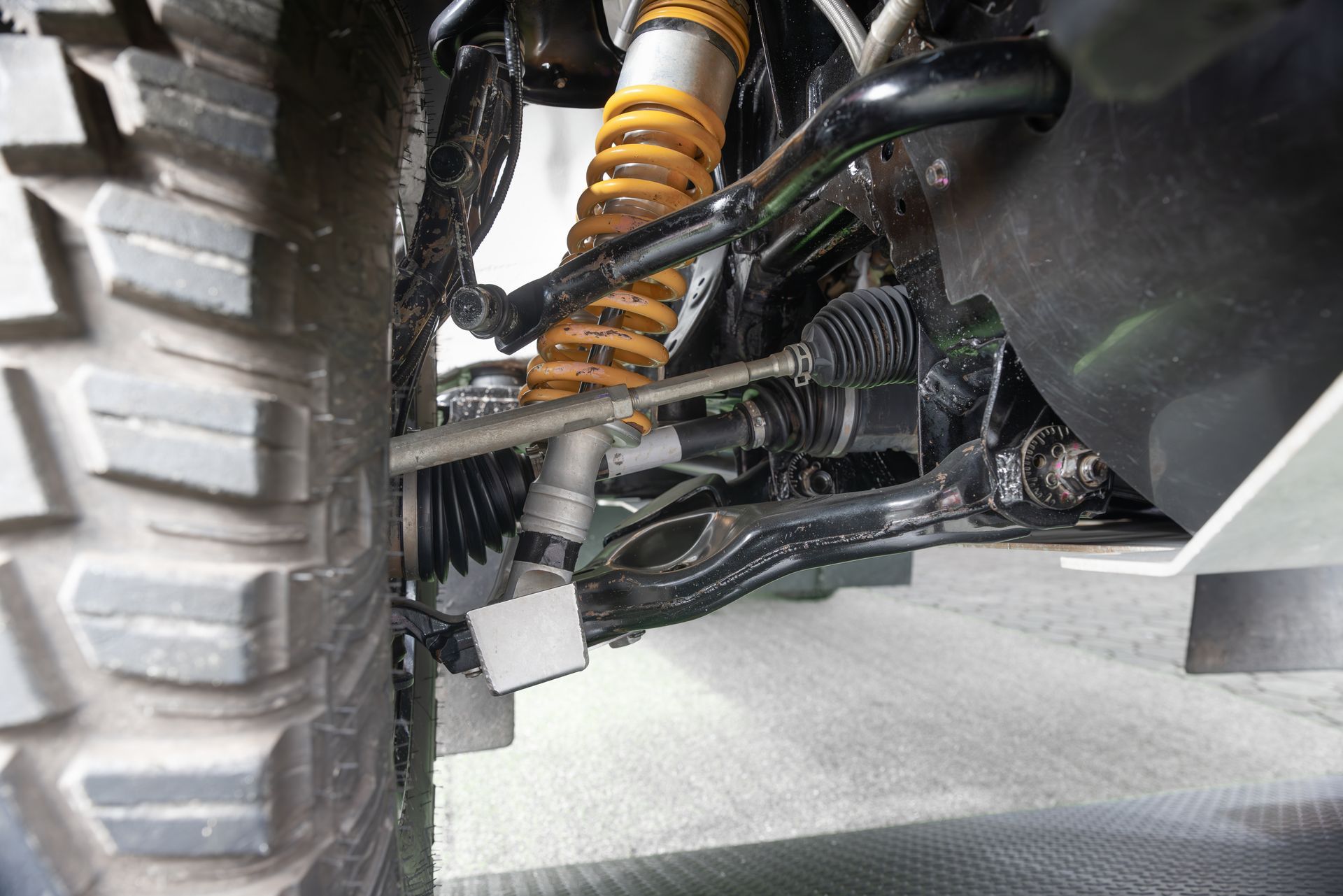
A light clunk over driveway entrances or broken pavement can come from a sway bar link, control arm bushing, ball joint, strut mount, or loose shock attachment. Early suspension wear may produce noise only when one wheel moves differently from the other, making the concern difficult to hear on a flat road.
As clearance develops, the wheel may shift during braking, cornering, or acceleration. The driver can begin noticing loose steering, uneven tire wear, or extra body movement. A hands-on inspection is important because noise can travel through the frame and make a front suspension concern sound as though it comes from another area.
5. CV Axle Repair May Begin With A Click
A repeated clicking sound during a tight turn often points toward wear in an outer CV joint. These joints allow the drive axle to transfer power while the wheels steer and the suspension moves. A flexible boot holds grease inside and keeps road debris away from the joint.
If the boot tears, grease can escape, and dirt can enter. The first clue may be grease thrown around the inner wheel or a faint click in parking lot turns. Once the joint develops noticeable wear, replacing the boot alone may not correct the problem. A worn inner joint can also create vibration or a clunk during acceleration.
Details That Help Locate A Small Noise
A noise may disappear by the time the vehicle reaches the shop, especially when it occurs only during cold starts, sharp turns, or certain road speeds. A few observations can help the technician recreate it.
- The speed where the sound begins
- Whether it changes during braking
- Whether it follows engine RPM or road speed
- Whether turning left or right changes it
- Whether it appears only when the vehicle is cold
- Whether vibration or a warning light appears with it
A short recording can also be useful when the sound is intermittent. Avoid trying to inspect moving belts, hot brakes, or rotating wheels yourself. A safe road test and lift inspection can reveal movement that is difficult to identify from the driver’s seat.
Why Early Diagnostic Can Keep The Repair Smaller
A small noise does not always mean a major failure is close, but waiting removes the chance to address the concern at an earlier stage. A worn pad can damage a rotor, a torn axle boot can ruin a joint, and a loose suspension part can shorten tire life. Secondary damage often costs more than the original repair.
Regular maintenance gives technicians opportunities to find dry hardware, cracked boots, worn belts, and developing looseness before the sounds become severe. New noises should be treated as useful information from the vehicle rather than an unavoidable part of higher mileage.
Get Car Noise Diagnostics In Sparks And Reno, NV, With Allen's Automotive
If your car has developed a new hum, squeak, chirp, clunk, or clicking sound, Allen's Automotive can inspect the brakes, bearings, belt drive, suspension, and axles at its Sparks and Reno, NV, locations.