Back-to-School Maintenance Tips for Cars With High Daily Mileage
Some family cars barely cool down during the school year. A morning commute turns into school drop-off, then work, errands, sports practices, and another round of driving in the evening. When a vehicle is covering many miles every day, small maintenance delays can add up faster than they do on a lightly driven car.
High daily mileage does not automatically mean the vehicle needs more repairs. It does mean fluids, tires, brakes, and other wear items can reach their service limits sooner. Before the school schedule gets busy, it helps to know which parts are already close to needing attention.
Start With the Tires Because the Miles Add Up Quickly
A car covering 50 or 60 miles a day can add more than 1,000 miles in a month. Tire wear that seemed minor at the beginning of summer may look very different a few months into the school year.
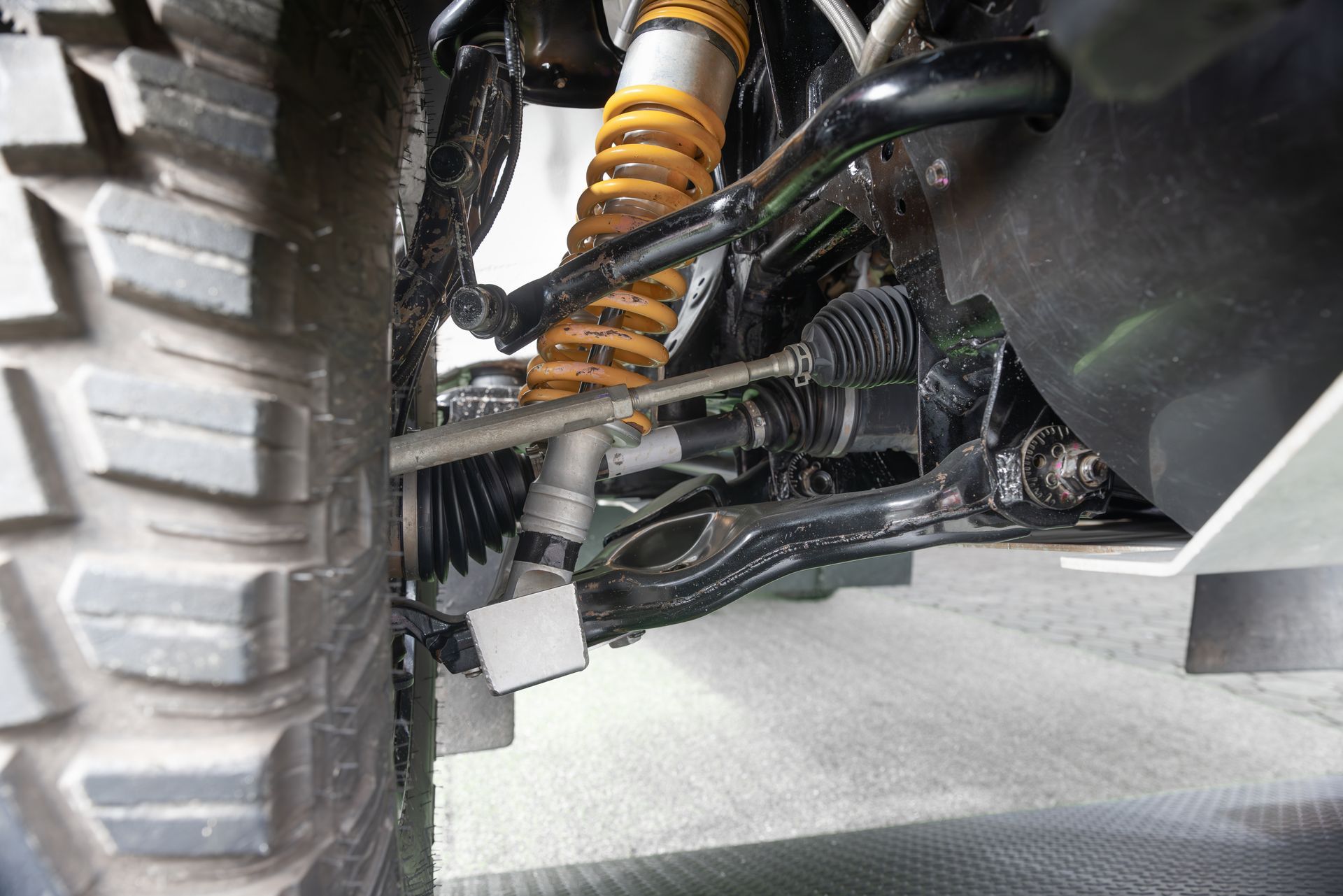
We check tread depth across the full width of each tire, along with pressure, sidewall condition, and wear patterns. Inner-edge wear can be easy to miss from the driveway. If one tire is wearing faster than the others, we also check alignment and suspension condition instead of assuming the tire is the only problem.
A few things drivers should watch for are:
- One tire needing air more frequently
- Steering-wheel vibration at highway speed
- The car pulling to one side
- Uneven tread from side to side
- New road noise that changes with speed
- Sidewall damage after a pothole hit
Catching those changes early can keep a tire problem from becoming an unexpected replacement in the middle of a busy week.
Brake Wear Can Move Faster With Daily Traffic
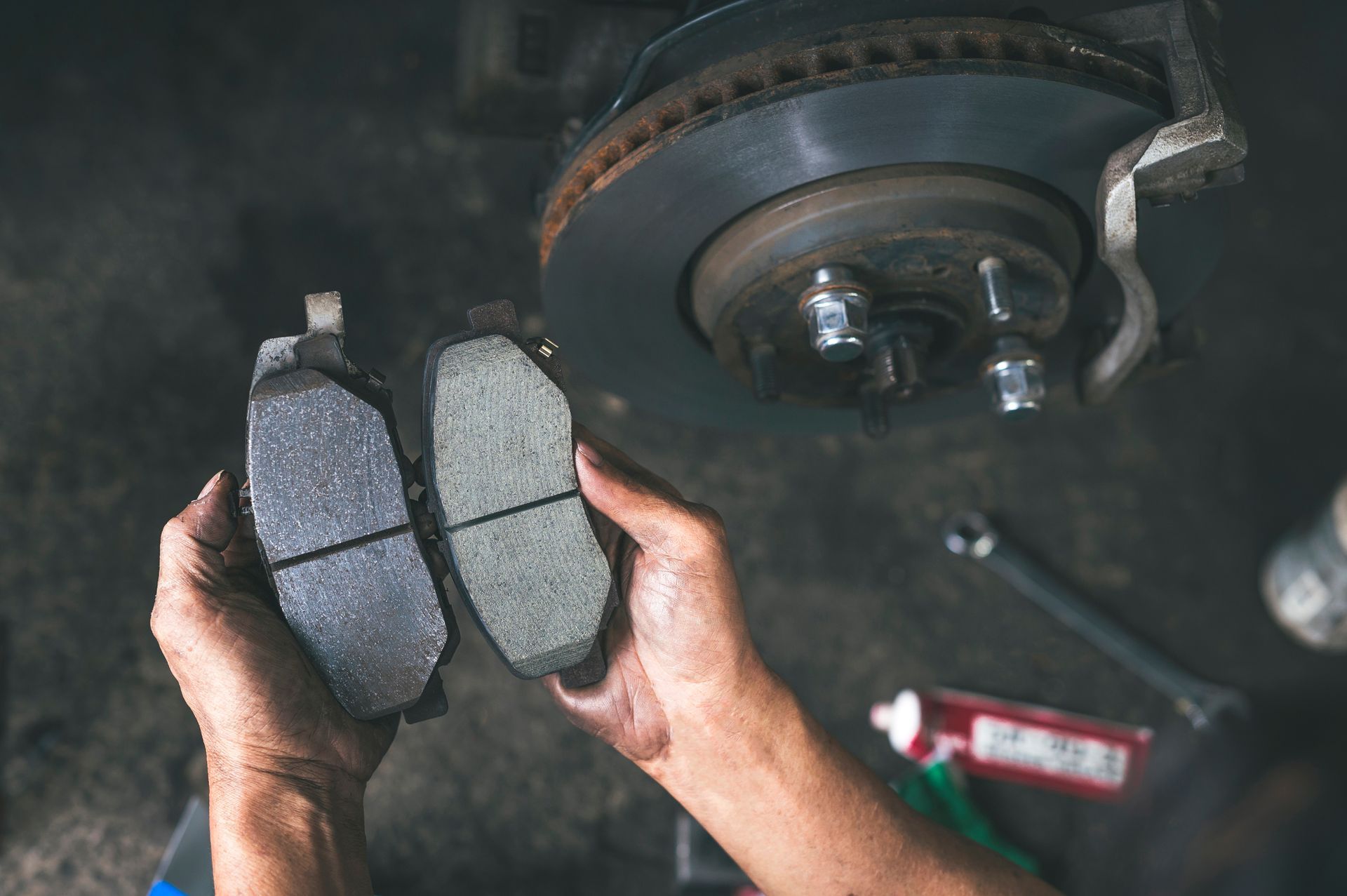
Mileage alone does not determine brake life. A highway commute is easier on the brakes than the same number of miles spent in stop-and-go traffic, school pickup lines, and crowded intersections.
If the vehicle sees frequent city driving, we pay close attention to pad thickness and rotor condition during an inspection. Squealing, grinding, pulsation, or a change in pedal feel should be checked rather than saved for the next scheduled oil change.
Drivers sometimes assume brakes are fine because the pedal still feels normal. Pads can be close to their wear limit without creating a major change from behind the wheel, which is why checking them before a high-mileage school routine makes sense.
Keep Oil Service From Falling Behind
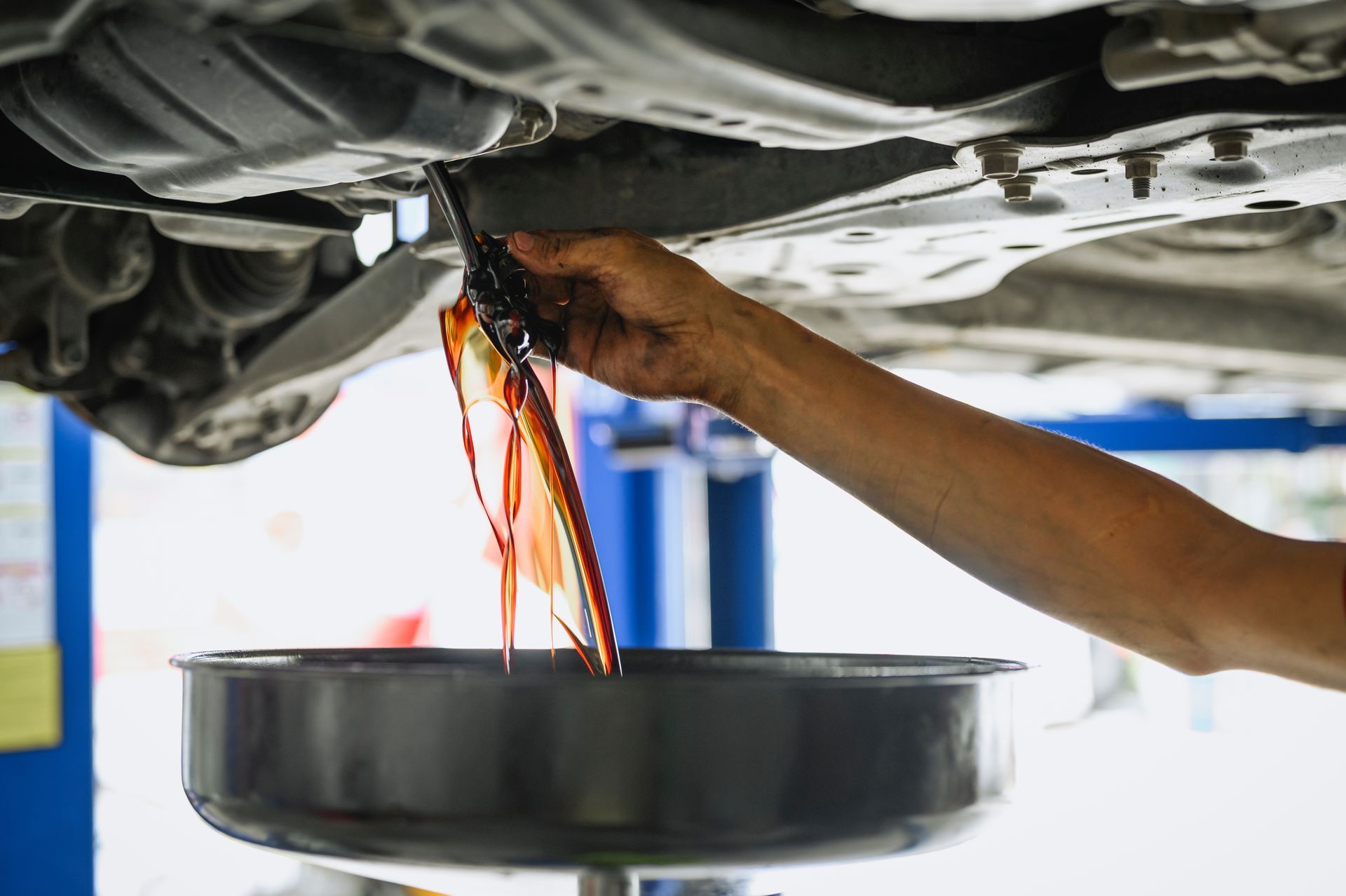
When the odometer climbs quickly, service intervals arrive sooner than expected. A driver who covers only a few hundred miles a month has plenty of time between oil changes. Someone driving long distances every weekday can reach the same mileage interval much faster.
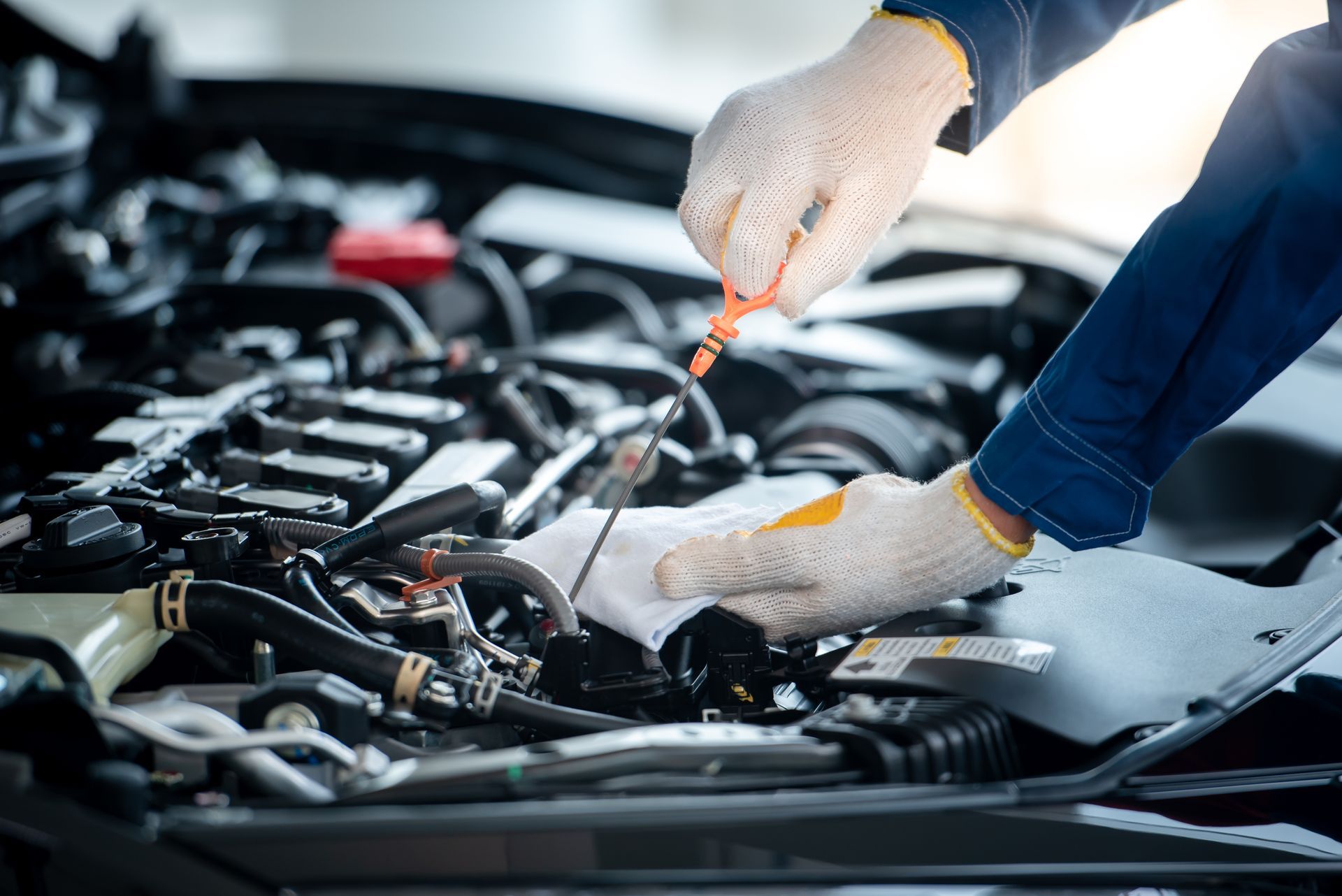
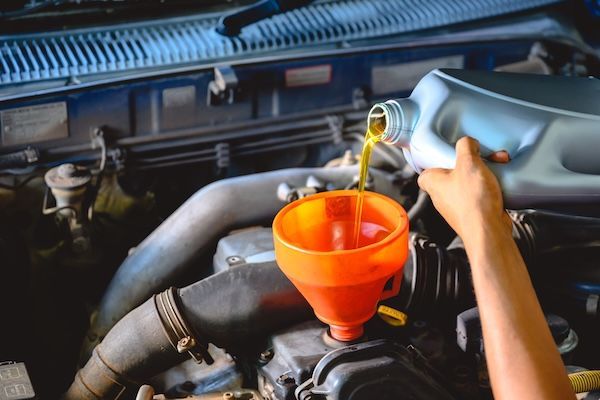
We recommend tracking mileage rather than relying only on the calendar. Check the oil level between services too, especially on an older engine that uses some oil between changes.
If the level repeatedly drops, bring it up. An engine can have an oil leak or consumption problem long before a warning light comes on.
Check the Cooling System Before Long Commutes
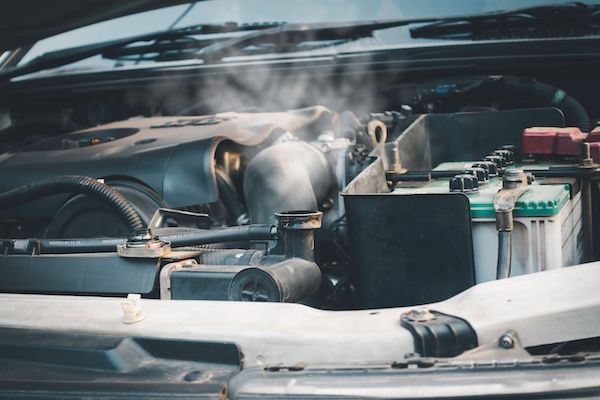
Daily highway miles, traffic, hot afternoons, and extended A/C use keep the cooling system working for long periods. Coolant level, radiator condition, hoses, fans, thermostat operation, and the water pump all play a role in controlling engine temperature.
Watch for a temperature gauge that starts running higher in traffic, coolant stains near the front of the engine, or a sweet smell after parking. A cooling fan problem may not show itself during highway driving because natural airflow through the radiator helps keep temperatures down.
At our shop, we want to know if the car runs warmer only in traffic or under all driving conditions. That detail can point us toward very different causes.
Do Not Overlook the Battery and Charging System
High-mileage vehicles may start several times every day. School drop-off, fuel stops, errands, work, and after-school activities all add more starting cycles.
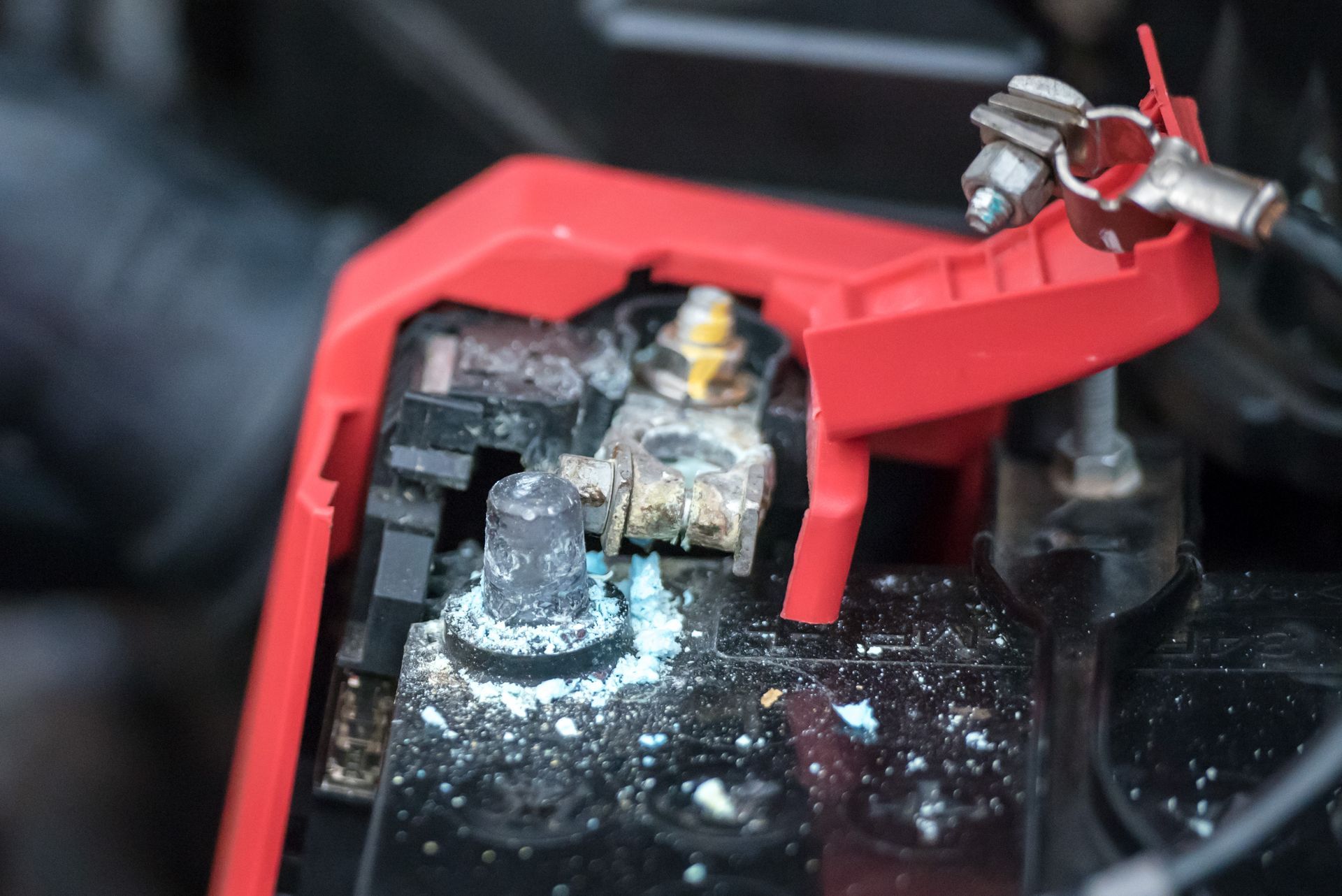
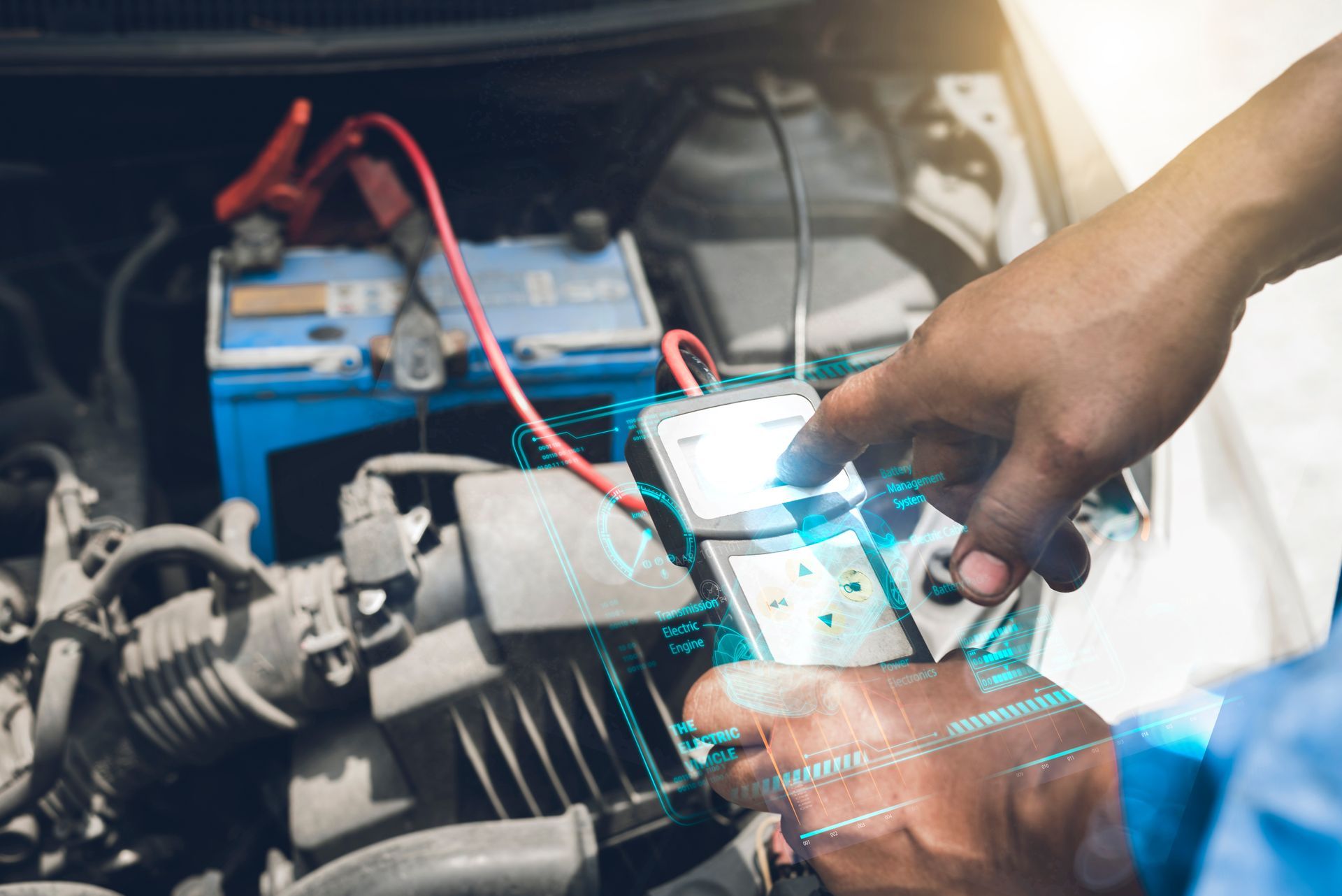
A weak battery may still crank normally most of the time before suddenly slowing down. We test battery condition, charging voltage, and cable connections when there are signs of trouble.
Pay attention to slow cranking, clicking during startup, lights that dim noticeably, or electronics that reset when the engine starts. Those symptoms are easier to deal with at home or in the shop than in a parking lot after a long day.
Plan Maintenance Around How the Car Is Actually Used
Factory schedules are a useful starting point, but driving conditions count too. Frequent short trips, long commutes, dusty roads, heavy traffic, and extreme temperatures can change how quickly certain parts wear.
Regular maintenance should include checking what is coming due before the next several thousand miles arrive. If transmission service, coolant service, spark plugs, filters, or another scheduled item is approaching, it may make sense to plan it before the school-year mileage pushes the car past the interval.
The goal is not to service everything early. It is to avoid discovering several overdue items at once because the odometer climbed faster than expected.
Get Back-To-School Car Maintenance In Nevada, With Allen's Automotive
If your family vehicle is covering high daily mileage around Sparks or Reno, NV, Allen's Automotive can check the tires, brakes, fluids, battery, cooling system, and upcoming service needs before the school schedule adds even more miles.