What Can Go Wrong With an Electronic Parking Brake That Wouldn’t Happen With a Cable?
The parking-brake switch clicks under your finger, but the brake doesn't release. There's no stiff lever to pull and no obvious cable adjustment to make. The dashboard may display a warning even though the car was parked normally the night before.
An electronic parking brake adds electrical failure points to a job that used to begin with a mechanical pull. Knowing those differences explains why a repair sometimes involves a battery cable or connector instead of new rear brake pads.
Low Voltage Can Stop an Electronic Parking Brake Command
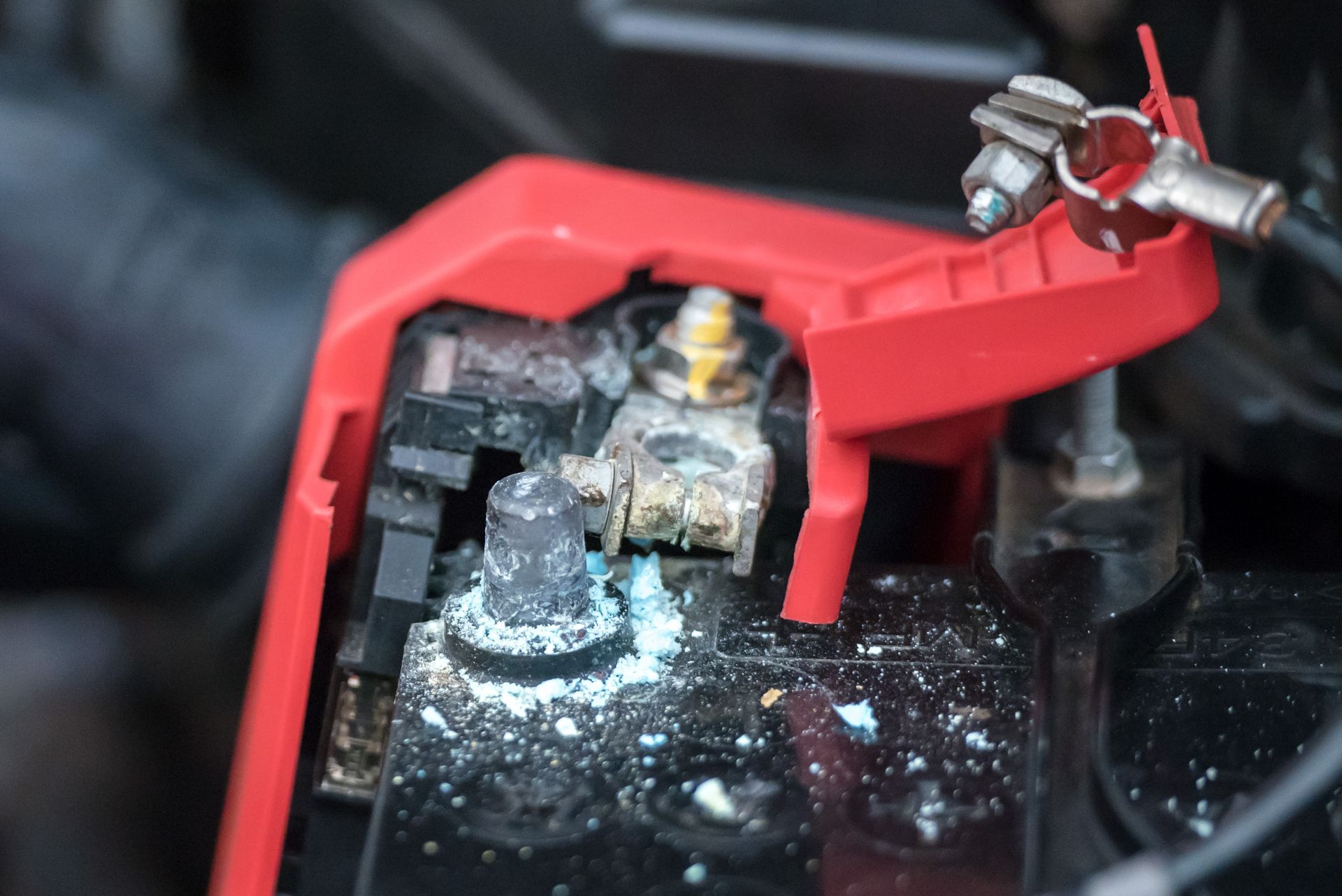
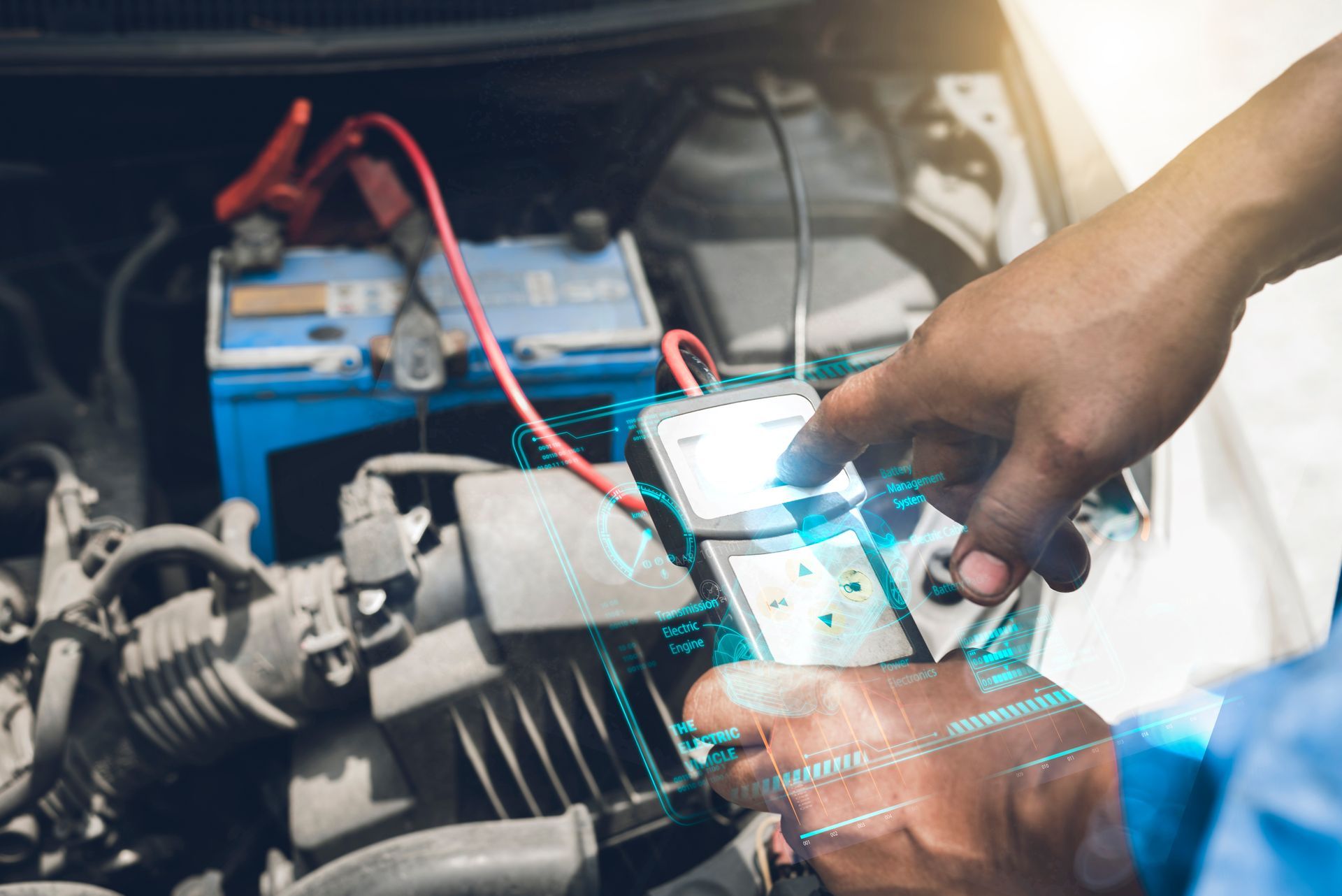
A manual handbrake lever supplies force through your arm and a cable. An electronic actuator needs electrical power to apply or release the brake. If the battery is discharged or voltage is lost through a poor connection, the control unit may be unable to complete the request.
This is especially relevant after a no-start, a jump-start, or work that involves disconnecting the battery. Testing starts with battery condition and the power reaching the brake controls. Once the brake is applied, its normal mechanical hold doesn't depend on a motor running continuously. The challenge is completing the next step.
Actuator Motors and Gears Can Fail
Many electronic parking brakes have a motor and gear assembly on each rear caliper. Others use a central motor to pull cables. A motor that has failed electrically or gearing that has been damaged introduces a repair that a purely manual cable brake wouldn't need.
The sound helps describe the problem but isn't a parts verdict. A loud actuator, a silent side, or a motor that seems to operate for too long needs testing against the required movement. A sticking caliper also loads the actuator, so the mechanical brake must be checked before treating the motor as the whole fault.
Wires and Connectors Live Near Road Spray
Rear brake wiring travels through an area exposed to water, road debris, and suspension movement. A damaged seal lets corrosion develop inside a connector. A wire strained during previous work may fail only when the suspension moves, leaving an intermittent warning that disappears in the parking lot.
Checking the circuit means more than looking for a visibly broken wire. Voltage has to reach the actuator under load, with a sound ground path. Also review connector fit and terminal condition. Replacing a motor while leaving a poor electrical connection in place sets up the same complaint for another day.
Switch and Control Faults Change the Repair
The switch is an input to a control unit, not a direct mechanical release. A damaged switch, missing input, communication fault, or control-unit problem prevents the request from being processed correctly. The technician checks whether the request is recognized and whether the required operating conditions are present.
An open door or another unmet condition sometimes explains why automatic release didn't occur. That differs from a brake that won't release manually through the approved procedure. The driver's description should include which method was attempted and what appeared on the dashboard. Those details keep normal operating rules separate from an actual failure.
Rear Brake Work Can Leave the Actuator Unprepared
Many vehicles require the electronic brake to enter maintenance mode before rear pad replacement. Forcing a piston back without the required preparation risks damaging the actuator or caliper mechanism. Missing a finishing or initialization step also leaves the repair incomplete.
If trouble starts immediately after service, bring the invoice and explain the timing. The inspection should check the work already performed before unrelated parts are ordered. A maintenance-mode message means something different from a failed motor, and the next step should follow that distinction.
Electronic Parking Brake Warning Details to Record
These observations help describe a fault clearly:
- The exact warning message or flashing indicator
- Whether the brake applies but won't release
- Whether one actuator sounds different
- Any recent battery or rear brake work
Leave fault information stored when possible. Repeated battery disconnection or code clearing removes part of the history without correcting the reason the brake stopped working. A photo taken while safely parked preserves the wording if the warning is intermittent.
A Stuck Parking Brake Needs a Safe Release Plan
Don't drive against an applied brake or take an actuator apart while the car is unsecured. A release procedure changes what is holding the vehicle, and some models need external power or service equipment. The owner's manual and recovery instructions tell you how to move the car.
A hot smell, dragging wheel, or major change in braking calls for stopping safely and requesting assistance. Explain that the parking brake won't release before recovery is dispatched. That gives the operator time to plan for wheels that won't roll freely.
Get Electronic Parking Brake Repair With Allen's Automotive
Allen's Automotive serves drivers in Sparks, NV, and Reno, NV, with electronic parking-brake concerns. If your brake won't release or keeps displaying a warning, describe the pattern and any recent electrical or brake repairs.
Contact us to arrange electronic parking brake testing and repair.